‘O Barreiro’ comes from a single estate vineyard high in the hills near Larouco (400–500 m elevation), on red-slate and clay soils typical of this corner of Galicia. The vines are a mix of old-vine native varieties (mostly Godello, along with other indigenous whites), farmed organically with low yields and great care.
The grapes are hand-harvested, gently pressed, and spontaneously fermented with native yeasts in stainless steel. After fermentation, the wine rests four months on fine lees (without bâtonnage), with no malolactic fermentation — a style that preserves freshness, minerality, and varietal purity.
This wine has a pale straw-to-light-gold hue and aromas of white flowers, bay leaf, citrus zest, and orchard fruit — bright, clean, and subtly aromatic. There’s a lovely touch of slatey minerality and herbal notes here as well. On the palate, it’s fresh, saline, and mineral-driven, with good weight from lees contact, vibrant acidity, and a long, dry finish that resonates with the slate-rich soils of its hillside origin.
Pair with oysters or other shellfish, grilled fish, light seafood dishes, white meats — or tapas and simple fresh plates that allow the wine’s mineral freshness and clarity to shine.
‘O Barreiro’ comes from a single estate vineyard high in the hills near Larouco (400–500 m elevation), on red-slate and clay soils typical of this corner of Galicia. The vines are a mix of old-vine native varieties (mostly Godello, along with other indigenous whites), farmed organically with low yields and great care.
The grapes are hand-harvested, gently pressed, and spontaneously fermented with native yeasts in stainless steel. After fermentation, the wine rests four months on fine lees (without bâtonnage), with no malolactic fermentation — a style that preserves freshness, minerality, and varietal purity.
This wine has a pale straw-to-light-gold hue and aromas of white flowers, bay leaf, citrus zest, and orchard fruit — bright, clean, and subtly aromatic. There’s a lovely touch of slatey minerality and herbal notes here as well. On the palate, it’s fresh, saline, and mineral-driven, with good weight from lees contact, vibrant acidity, and a long, dry finish that resonates with the slate-rich soils of its hillside origin.
Pair with oysters or other shellfish, grilled fish, light seafood dishes, white meats — or tapas and simple fresh plates that allow the wine’s mineral freshness and clarity to shine.
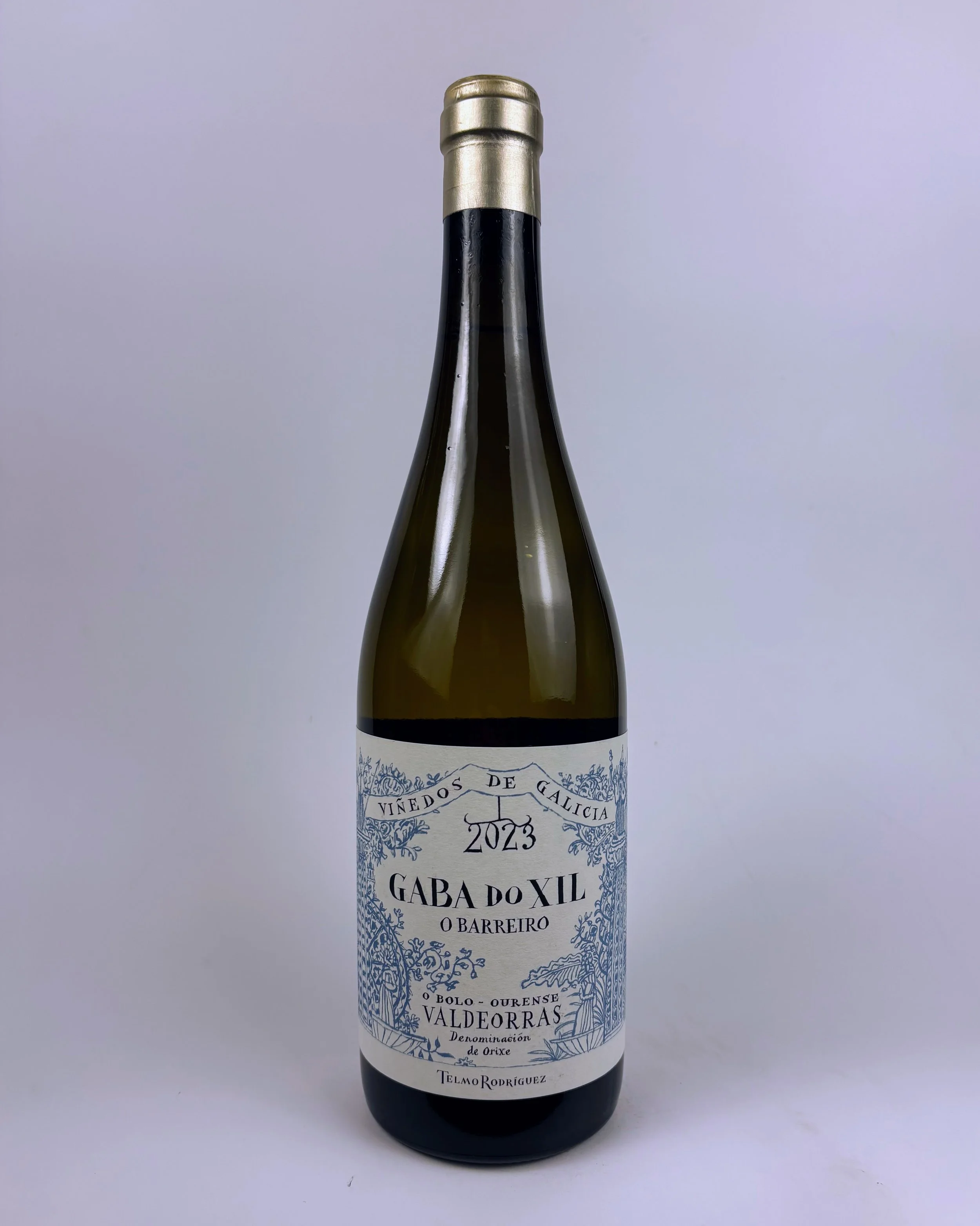 Image 1 of 2
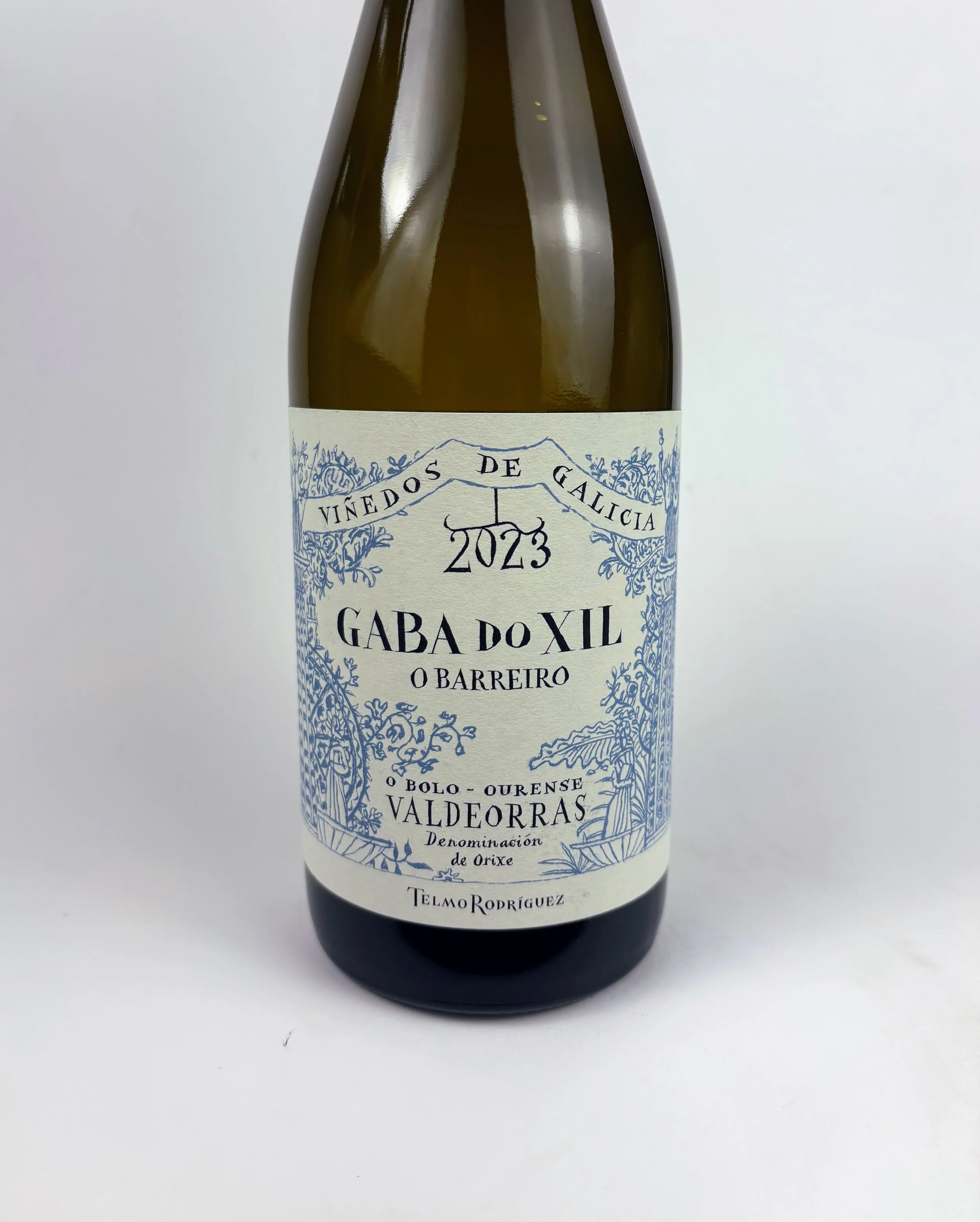 Image 2 of 2